Observation

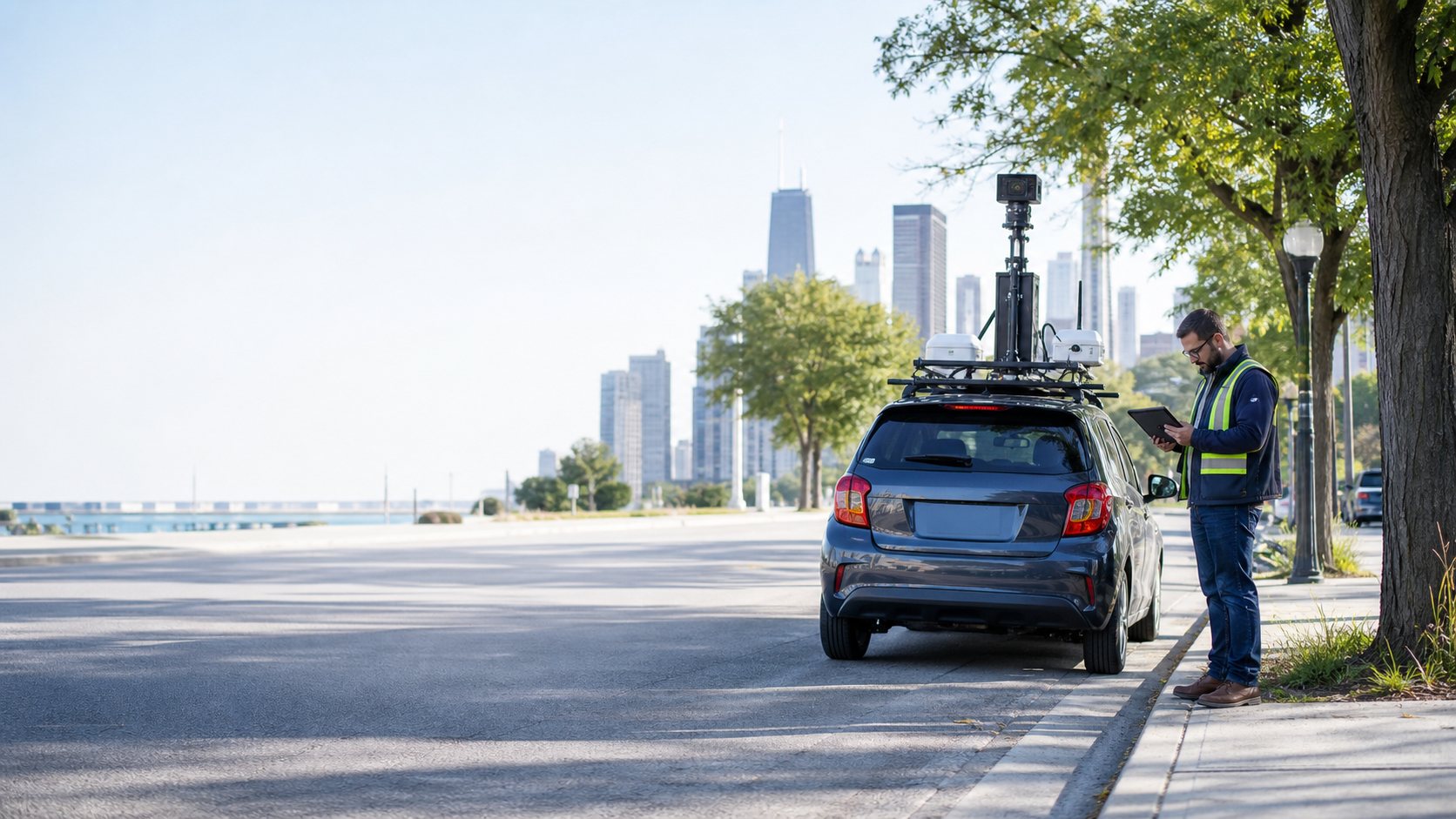
What the camera sees — litter on the curb.
Science & evidence
See how each service turns a street image into a reviewable result — observation, inference, and a human decision.
From what the camera sees to what the team decides.
What the camera sees — litter on the curb.
What the service proposes — a litter count and a condition class.
What a person decides — accept, adjust, or reject.
Every service follows the same loop, always ending with a person and a recorded result.
The visual input, a code-native output state, and the research behind each one.

Finds and counts litter in street images so crews can see where debris is building up.
Research foundation: TACO litter dataset (2020)
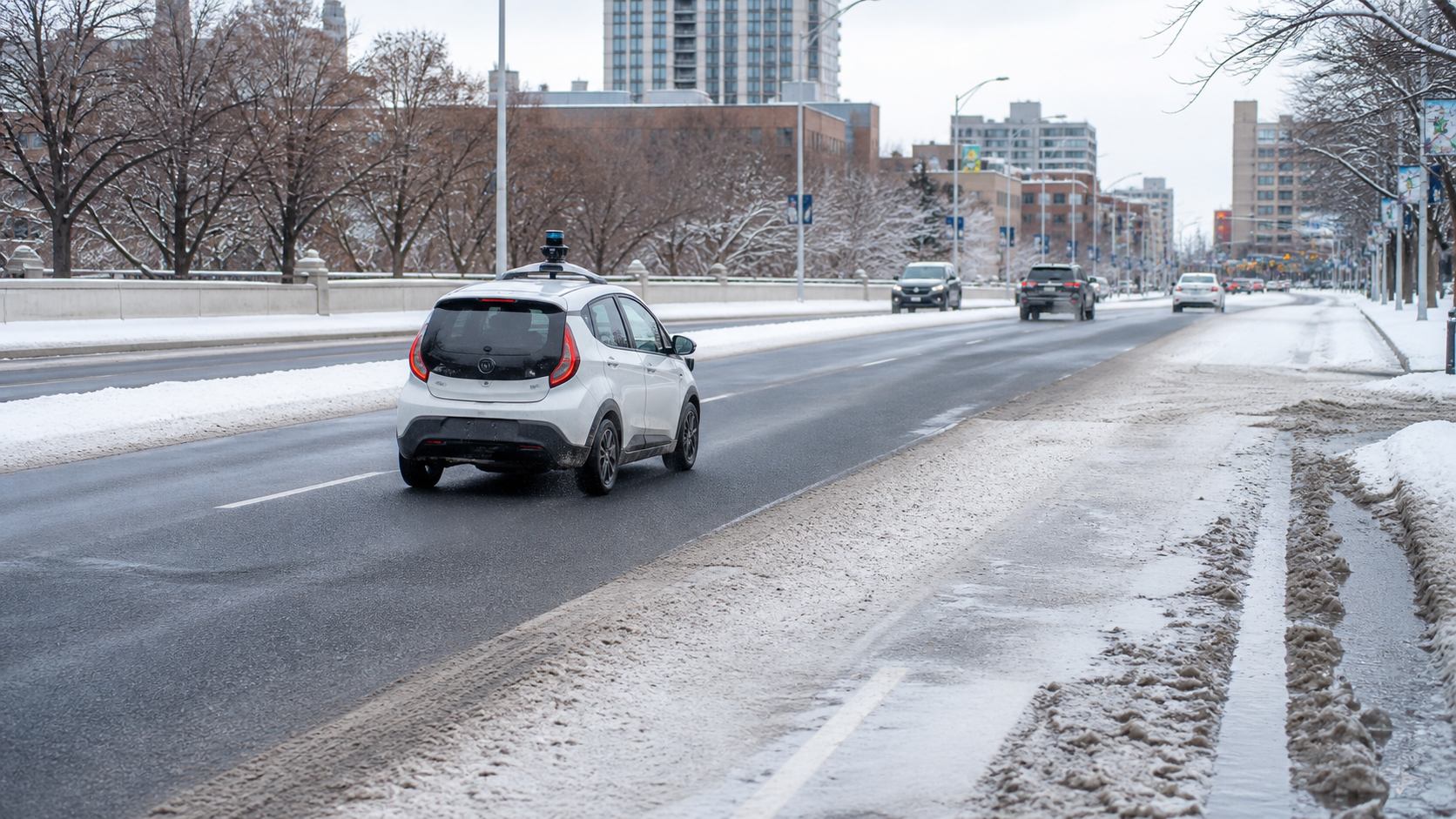
Reads street cleanliness across seasons — from fallen leaves to snow cover — as a consistent condition class.
Research foundation: road surface condition classification (2019)
Classifies lawn and green-space condition so parks teams can plan maintenance.
Research foundation: image-based plant condition (2016)
Highlights branches that may need pruning as candidates for an arborist to confirm.
Research foundation: image-based tree pruning (CMU, 2012)
Prepares a reviewable evidence record of a possible littering event — always for a person to decide, never an automatic fine.
Research foundation: ByteTrack multi-object tracking (2022)Each service builds on established, peer-reviewed or official research. These sources support the method; they are not IntelCit performance results.
CAI is IntelCit's internal 1–4 cleanliness index — 1 is nearly clean, 4 is very dirty. It is an internal index, not an external certified standard.
A vehicle-littering output is a reviewable evidence record for a person to decide on. It is never an automatic fine, citation, or enforcement action.
A person confirms every result. IntelCit supports the decision; it does not replace it.
Cross-cutting oversight: NIST AI Risk Management FrameworkA guided demo can walk through the method for the service most relevant to your team.